


Why liability coverage matters in Mooresville, NC
Liability coverage pays for certain injuries and property damage that the policyholder causes while driving. It generally protects other people—not the policyholder’s own vehicle—from the financial consequences of an at-fault crash.
North Carolina requires vehicles with valid state registration to maintain continuous liability insurance. The coverage must be provided by an insurer licensed to operate in the state, and proof may generally be kept in physical or electronic form.
For households in Mooresville, liability insurance is especially relevant because daily driving often includes a mix of residential streets, busy commuter routes, school traffic, shopping areas, and longer trips. A crash that seems minor can involve medical treatment, vehicle repairs, lost income, or claims from several people.
What are the three numbers on an auto policy?
North Carolina auto policies commonly show liability limits in a format such as 50/100/50. These numbers represent:
- $50,000 for bodily injury to one person in one accident
- $100,000 for bodily injury to two or more people in one accident
- $50,000 for property damage in one accident
The first two limits apply to injuries or death caused to other people. The third applies to damage to another person’s vehicle, home, fence, utility structure, or other property.
The per-accident bodily injury limit is not added separately for every injured person. For example, if three people are injured, the policy may pay covered claims up to the total per-accident limit, subject to the applicable per-person limits. If damages exceed the policy limits, the at-fault driver may remain personally responsible for the unpaid amount.
State-required limits are a legal minimum, not a guarantee that every serious claim will be fully covered.
What does bodily injury liability pay for?
Bodily injury liability coverage is designed for injuries or death caused by the insured driver’s negligence. Depending on the circumstances and policy terms, covered damages may include:
- Emergency treatment and other medical expenses
- Ongoing rehabilitation
- Lost wages or reduced earning ability
- Pain and suffering
- Funeral expenses
- Legal judgments or settlements
The coverage may also provide a legal defense when a covered claim or lawsuit is made against the insured. Defense expenses can be significant, so the policy’s terms matter beyond the dollar amount shown on the declarations page.
Liability coverage does not automatically pay for every injury connected to a vehicle. Questions may arise about who was driving, whether the vehicle was being used for a covered purpose, whether the driver had permission, and whether an exclusion applies.
What does property damage liability cover?
Property damage liability pays for damage the insured driver causes to someone else’s property. A common example is damage to another vehicle after a collision. Other examples could include:
- A damaged fence or mailbox
- A garage door struck while backing up
- Landscaping or other private property damaged in a crash
- Public or privately owned structures damaged by a vehicle
Property damage liability does not normally repair the policyholder’s own vehicle. Repairs to the insured vehicle usually depend on separate collision coverage, while non-crash losses such as hail, theft, flooding, or falling trees generally involve comprehensive coverage.
This distinction is easy to overlook after a stressful accident. A driver may have liability coverage and still need another part of the policy to repair their own vehicle.
Does liability insurance cover the driver and other household members?
Coverage depends on the policy language, the vehicle involved, and the circumstances of the accident. An auto policy may cover the named insured and certain permitted drivers using a covered vehicle. Household members, occasional drivers, newly licensed teens, roommates, and relatives who borrow a vehicle can create different coverage questions.
A permissive driver is not automatically covered without limitation. The policy may address:
- Whether the driver had permission
- Whether the driver is listed or excluded
- Whether the vehicle was being used for business, delivery, racing, or another restricted purpose
- Whether the driver had a valid license
- Whether the driver lived in the household
A driver who regularly uses a vehicle should not be assumed to be covered merely because permission was given once. This can matter in households with multiple vehicles, young drivers, shared vehicles, or frequent visitors.
What is not covered by liability insurance?
Liability coverage is not a general-purpose payment for every loss involving a vehicle. Common limitations include:
- Damage to the insured’s own vehicle
- Injuries to the at-fault driver
- Intentional acts
- Certain business or delivery uses
- Damage to property owned by or in the care of the insured
- Losses involving an excluded driver
- Claims outside the policy’s coverage terms
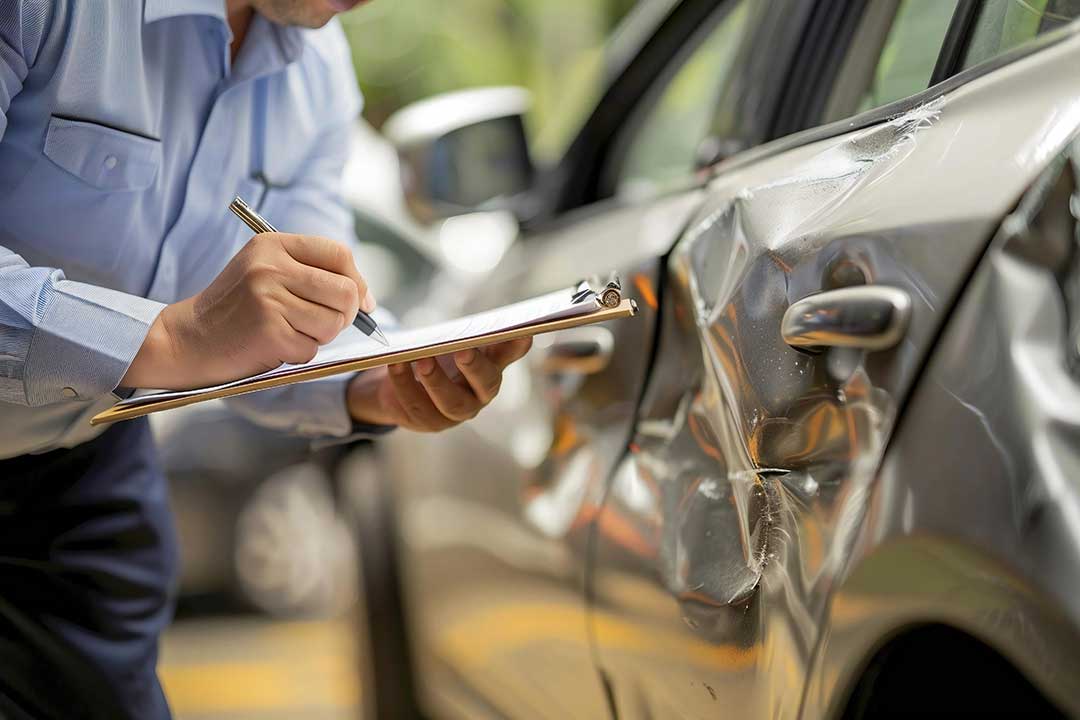
Policy exclusions vary, and the facts of an accident can change the result. For example, personal use of a vehicle and commercial use of the same vehicle may be treated differently.
A liability limit also does not mean that an insurer will pay the full limit automatically. The claim must fall within the policy, liability usually must be established, and damages must be evaluated.
How do uninsured and underinsured motorist coverage fit in?
North Carolina policies generally include required uninsured and underinsured motorist protections, subject to state law and policy choices. These coverages protect insured people when another driver causes injuries and has no insurance or not enough insurance to pay for the loss.
This is different from liability coverage:
- Liability coverage protects others when the insured driver causes a covered accident.
- Uninsured motorist coverage may help when the at-fault driver has no insurance or is involved in a qualifying hit-and-run.
- Underinsured motorist coverage may help when the at-fault driver has insurance, but the available limits are not enough for the injuries involved.
Uninsured motorist property damage coverage may also apply to damage caused by an uninsured driver, subject to the policy’s conditions and any applicable deductible or statutory requirement.
A person can follow the law and still face significant financial exposure after being hit by a driver with only limited insurance. That is why liability limits and protection for injuries caused by other drivers should be reviewed together.
How much liability coverage is enough?
There is no single limit that fits every household. The right amount depends on factors such as income, savings, home ownership, retirement assets, future earnings, vehicle use, and the number of drivers in the household.
Higher limits can provide more protection if a serious accident results in damages above the minimum. Some households also consider an umbrella policy, although such policies have their own eligibility requirements and may require higher underlying auto limits.
Choosing limits solely because they are the least expensive option can leave a large gap between the policy and the financial consequences of a major injury claim. The decision should account for both legal requirements and the assets or income a household may need to protect.
What should residents review after a household change?
An auto policy should be reviewed after events such as:
- Adding a teen or newly licensed driver
- Buying or selling a vehicle
- Moving to a new address
- Adding a frequent driver to the household
- Starting delivery, rideshare, or other business use
- Retiring or changing commuting patterns
- Lending a vehicle regularly to someone outside the household
- Paying off a vehicle loan
It is also useful to check the declarations page for each vehicle, confirm the listed drivers, verify liability limits, and understand uninsured and underinsured motorist limits. Keeping proof of insurance accessible can make traffic stops, registration matters, and post-crash exchanges easier.
Liability coverage is the part of an auto policy most directly connected to legal responsibility for harming someone else. Understanding its limits, exclusions, and relationship to uninsured motorist protection can help Mooresville households make more informed decisions before an accident occurs.